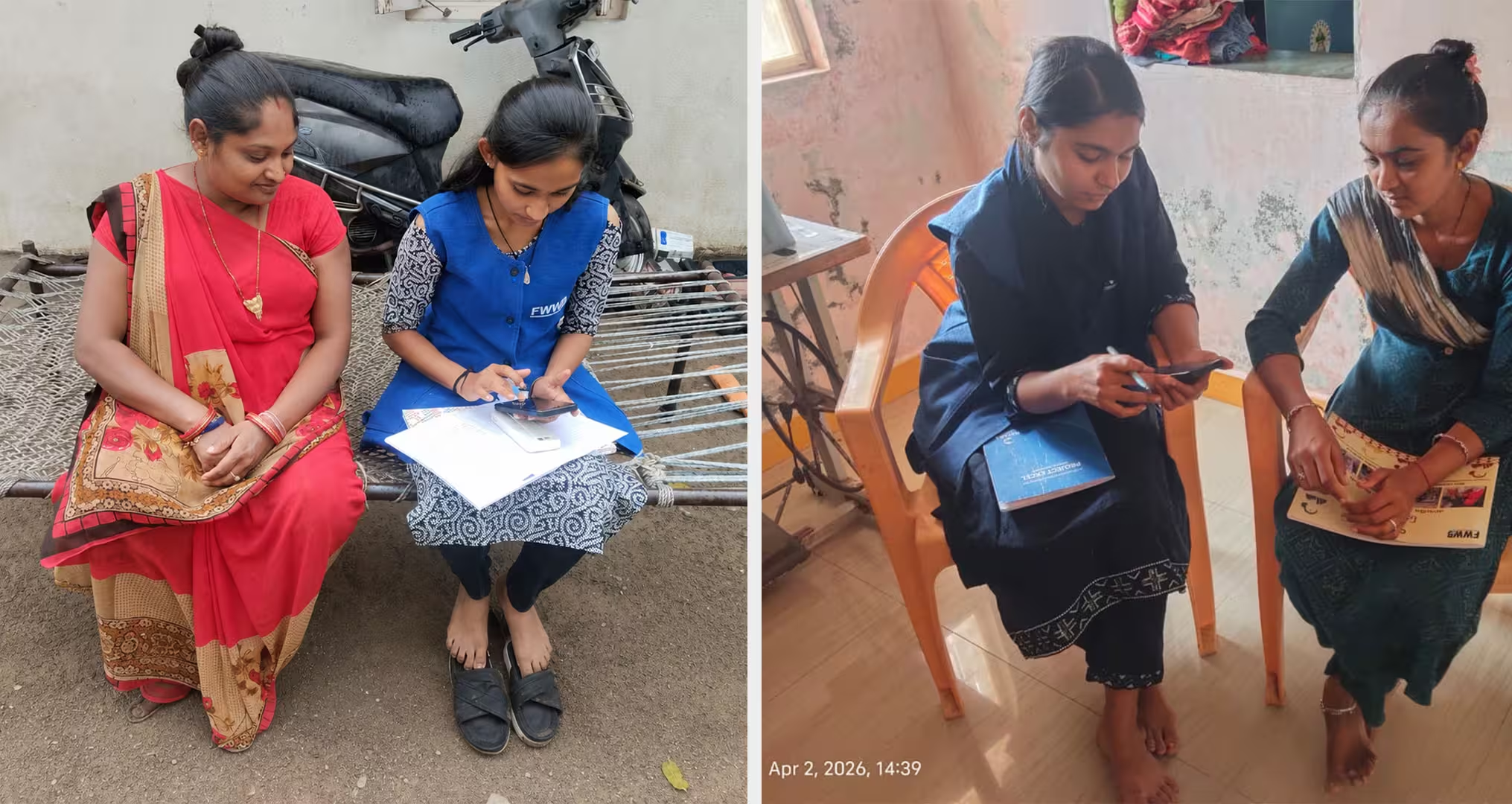
Across India’s rural landscape, women form the backbone of agriculture. They sow seeds, manage livestock, conserve soil, save seeds, and sustain household food systems. Yet despite this central role, their influence within agricultural institutions and markets remains limited.
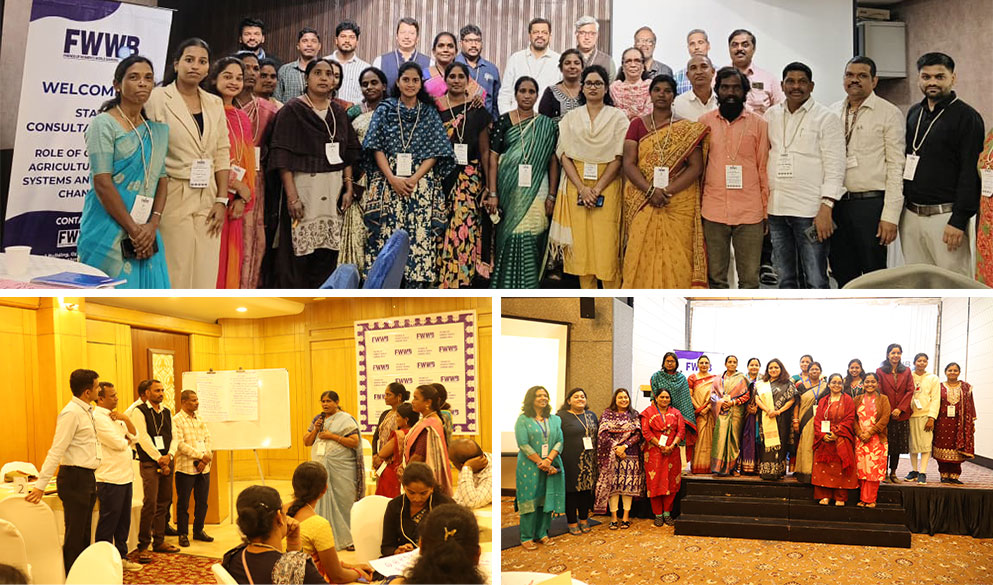
Recognising this gap, Friends of Women’s World Banking (FWWB) has been working with women farmers, collectives, and rural financial ecosystems to strengthen women’s access to enterprise opportunities, financial services, and institutional leadership in agriculture. As part of this effort, FWWB organised a series of state-level consultations across Gujarat, Andhra Pradesh, Odisha, and Maharashtra, bringing together women farmers, Farmer Producer Organisation (FPO) leaders, policymakers, financial institutions, civil society organisations, and market actors.
These consultations created a platform for collective reflection on the intersection of gender, agriculture, and climate resilience, revealing a clear message from the field: while women’s participation in agriculture is undeniable, their institutional power within agricultural systems remains constrained. The insights emerging from these dialogues offer valuable lessons for strengthening women-led agricultural enterprises and inclusive rural markets.
Women in Agriculture: A Workforce Without Proportionate Power
Women account for a significant share of India’s agricultural workforce. According to recent labour surveys, nearly three-quarters of rural working women are engaged in agriculture. Yet their contribution often remains invisible in policy, markets, and institutional decision-making.
One of the most critical structural barriers is land ownership. Only a small fraction of women in India own agricultural land. Without land titles, women farmers face serious constraints in accessing institutional credit, agricultural subsidies, crop insurance, and extension services. Land ownership often determines whether a farmer is recognised as a legitimate economic actor within formal systems.
The consultations reinforced what research has consistently shown: women’s limited access to land, finance, technology, and markets results in a persistent productivity gap. This gap is not due to capability, but to unequal access to resources and institutional support.
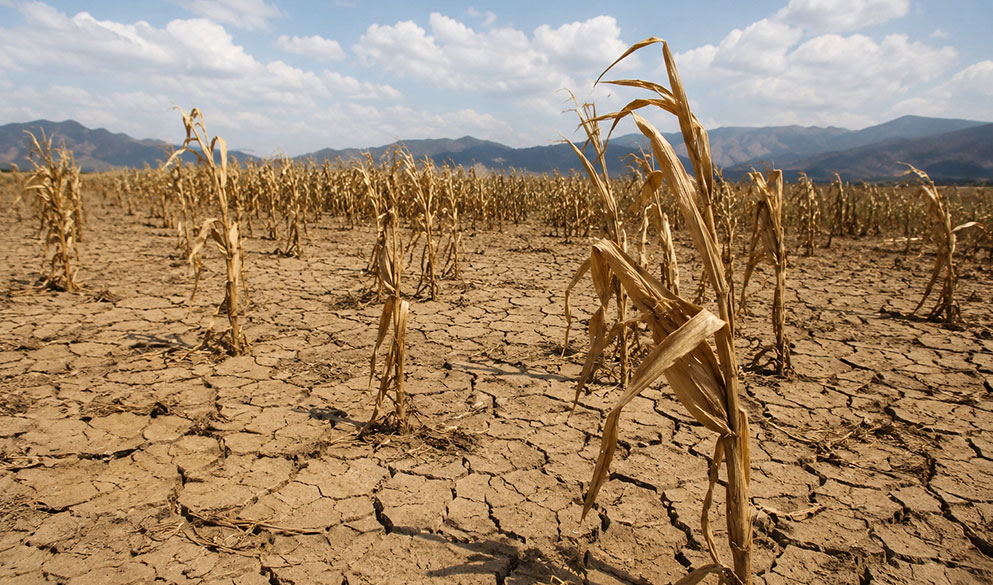
Climate change further intensifies these vulnerabilities. Women farmers are often responsible for water collection, seed preservation, and crop management, yet they have limited access to climate information, resilient technologies, or risk management tools. As climate variability increases, the burden on women farmers continues to grow.
The Promise—and Limits—of Farmer-Producer Organisations
Farmer-Producer Organisations have emerged as an important institutional model to strengthen smallholder farmers’ collective bargaining power. By aggregating produce, enabling access to finance, and connecting farmers to markets, FPOs can transform fragmented agricultural systems.
For women farmers, FPOs hold particular promise. Collective institutions can enable women to move beyond subsistence farming toward enterprise development, value addition, and stronger market participation.
However, the consultations revealed a critical challenge: women’s participation in FPOs often remains symbolic rather than transformational.
Across several states, women are members of FPOs but remain underrepresented in leadership roles. Board seats may be allocated to women to fulfil regulatory requirements, but real decision-making authority frequently remains concentrated elsewhere. Women are often engaged in production activities, while men dominate roles related to finance, marketing, and negotiations with buyers.
Participants repeatedly emphasised a simple but powerful point:
Women should not just appear in FPO records—they must shape real decisions.
Without meaningful authority in governance, financial planning, and enterprise strategy, women’s inclusion risks becoming procedural rather than empowering.
What Women-Led FPOs Are Asking For
One of the most valuable outcomes of the consultations was hearing directly from women FPO leaders about what they actually need from the ecosystem. Their expectations from civil society organisations, financial institutions, and market actors were both pragmatic and strategic.
Long-Term Institutional Support
Women-led FPOs emphasised that building sustainable producer organisations takes time. Short project cycles of one or two years rarely allow institutions to mature.
Participants consistently called for long-term institutional incubation lasting three to five years. Such support should include governance mentoring, enterprise planning, compliance support, and business development guidance.
Sustained handholding can help FPOs move from grant dependence to financially viable enterprises.
Real Leadership Opportunities for Women
Women leaders highlighted the need for deliberate mechanisms to strengthen their participation in governance and management.
This includes leadership mentoring programmes, structured representation in finance and marketing committees, and opportunities to directly engage in buyer negotiations and policy dialogues.
Evidence from collective enterprises globally shows that when women participate meaningfully in governance, organisational transparency and accountability improve significantly.
Stronger Market Linkages
Across all consultation states, market access emerged as the single most important determinant of FPO sustainability.
Women-led collectives expressed a strong need for support in building buyer partnerships, understanding market trends, and developing branded products. Assistance in packaging, quality certification, and compliance with food safety standards can help FPOs enter higher-value markets.
Participants also expressed interest in expanding into processing and value addition, particularly in commodities such as millets, horticulture crops, dairy products, and geographically indicated products.
Financial Products Tailored for Women-Led Institutions
Access to finance remains one of the biggest challenges for women-led FPOs.
Banks often require collateral linked to land ownership—something many women farmers lack. Documentation requirements and limited financial literacy further complicate access to working capital.
Women leaders urged financial institutions to develop gender-responsive credit products, reduce reliance on collateral, and offer flexible working capital solutions tailored to producer collectives.
Interestingly, many financial institutions that participated in the consultations acknowledged that women-led groups often demonstrate strong repayment discipline when provided with appropriate financial products.
Honest Institutional Assessment and Documentation
Another noteworthy insight from the consultations was the maturity of women-led FPOs in demanding accountability.
Participants requested civil society organisations not only to document success stories but also to conduct independent operational assessments. They encouraged constructive feedback on governance gaps, business risks, and financial sustainability.
This reflects a growing shift toward transparency and institutional learning within the FPO ecosystem.
Women as Leaders in Climate-Smart Agriculture
The consultations also highlighted women’s active role in promoting climate-resilient farming practices.
Across states, women farmers demonstrated strong engagement with climate-smart agriculture techniques such as natural farming, intercropping, composting, micro-irrigation, and soil moisture management.
Women are also increasingly experimenting with renewable energy solutions such as solar-powered cold storage and energy-efficient farm equipment. Digital advisory tools and mobile-based climate information platforms are beginning to improve decision-making at the farm level.\
Development practitioners working with rural collectives increasingly observe that women farmers often become early adopters of sustainable farming practices when given access to knowledge networks and peer-learning platforms.
FWWB’s work with women-led producer groups across multiple states has similarly shown that collective institutions can serve as effective platforms for scaling climate-smart agriculture practices. When women farmers engage through organised producer groups, they are better able to share local knowledge, access technical advisory services, and experiment with climate-resilient farming models.
Strengthening women’s leadership within FPOs could therefore significantly accelerate the adoption of sustainable agricultural practices at scale.
These innovations underscore an important reality: women farmers are not merely climate victims—they are climate innovators and resilience builders.
State-Level Insights
While the consultations revealed several common themes, each state also presented unique insights.
In Gujarat
Discussions highlighted the importance of improving women’s land ownership and strengthening their representation in FPO governance structures. Participants also emphasised the role of digital agriculture and the adoption of technology.
In Andhra Pradesh
The extremely low proportion of women-led FPOs emerged as a key concern. However, the state also offers significant opportunities for women-led enterprises in millet value chains and for geographically indicated agricultural products.
In Odisha
Stakeholders focused on improving access to affordable credit and strengthening institutional compliance systems within FPOs. There was also strong interest in expanding horticulture value chains and building structured buyer partnerships.
Moving Forward: From Participation to Power
The consultations made one message unmistakably clear: women farmers are ready to move beyond participation toward leadership.
Transforming women’s role in Farmer-Producer Organisations requires more than policy statements or membership quotas. It requires structural change in how agricultural institutions operate.
Civil society organisations must adopt long-term incubation models that support enterprise development. Financial institutions must design inclusive credit systems that recognise women as legitimate economic actors. Market actors must integrate women-led collectives into value chains. Policymakers must strengthen women’s land rights and institutional representation.
For organisations such as FWWB that work at the intersection of women’s economic empowerment, financial inclusion, and rural enterprise development, these consultations reaffirm the importance of building strong women-led producer institutions that can participate meaningfully in agricultural markets and climate-resilient value chains.
Empowering women in FPOs is therefore not only a matter of gender justice—it is a strategic pathway to more resilient food systems, stronger rural economies, and inclusive agricultural growth.
As the global community prepares for the International Year of the Woman Farmer in 2026, the lessons emerging from these consultations offer a clear direction: when women farmers gain voice, leadership, and market power, entire agricultural systems become more inclusive, productive, and resilient.
Authored by:

Lakhan Patidar
Programme Lead
Agriculture Capacity Building and Climate Change, FWWB
Lakhan Patidar leads agriculture capacity building and climate change initiatives, focusing on strengthening Farmer Producer Organisations, promoting climate-resilient practices, and improving access to finance and markets. He holds a Master’s degree in Agronomy and has worked with organisations such as ASA, Samarthan, and GGGI. His experience spans agriculture value chains, watershed development, PES, and gender-responsive Programmeming. Lakhan collaborates closely with community institutions, financial service providers, and government stakeholders to design scalable, sustainable livelihood solutions.
Edited by:

Disha Shrivastava
Strategic Communications Consultant, FWWB
Disha is a seasoned leader with over 16 years of experience in the impact and education sectors, including leadership roles and serving as a CEO. She brings deep expertise in strategic communications, fundraising, organisational development, and program management, with a track record of strengthening institutions and driving scalable impact. An MBA in Marketing, a banker-turned development-sector professional, a certified counsellor, and a Dance Movement Therapy practitioner from TISS, Mumbai, Disha blends analytical rigour with creative facilitation, making her an effective bridge between strategy, people, and purpose. She is a professional storyteller and a corporate speaker. Her expertise lies in women’s empowerment, gender, education and entrepreneurship.
Passionate about human potential and systems change, she has presented her research at leading institutions and represented the media at the 2022 and 2026 Women Deliver Conferences. Beyond her professional journey, Disha is an endurance athlete and ultracyclist, pursuing long-distance cycling and sports as expressions of discipline, resilience, and lifelong learning.
Her visionary leadership, deep sectoral expertise, and resilience make her uniquely suited to work that requires clear vision, cross-sector collaboration, and a commitment to meaningful impact.