CATALYSING CHANGE IN RURAL MAHARASHTRA
THE CONTEXT
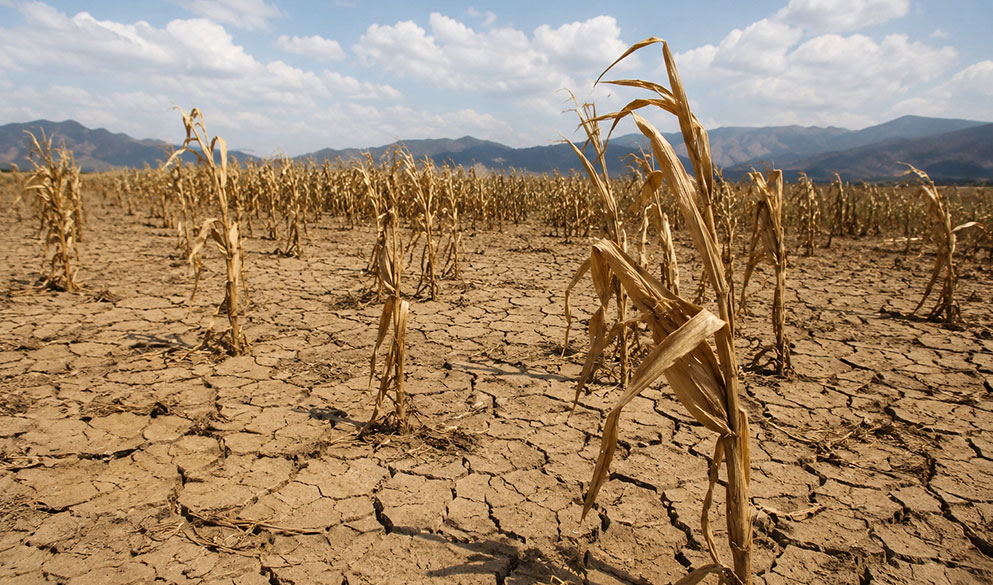
In Narla village, Maharashtra, agriculture has become increasingly uncertain. Erratic rainfall, prolonged dry spells, and rising temperatures have destabilised traditional cropping systems.
For small and marginal farmers, particularly women, livelihood security has steadily eroded. Women contribute extensively to agriculture and livestock rearing.
Yet their labour remains informal, undervalued, and excluded from structured markets.
THE REALITY IN DAIRY
Dairy is a key livelihood for many households.
But women faced:
- No transparency in pricing
- No daily quality testing
- No assured payment timelines
As reflected by a Chhafa FPC board member:
DIAGNOSING THE STRUCTURAL GAPS
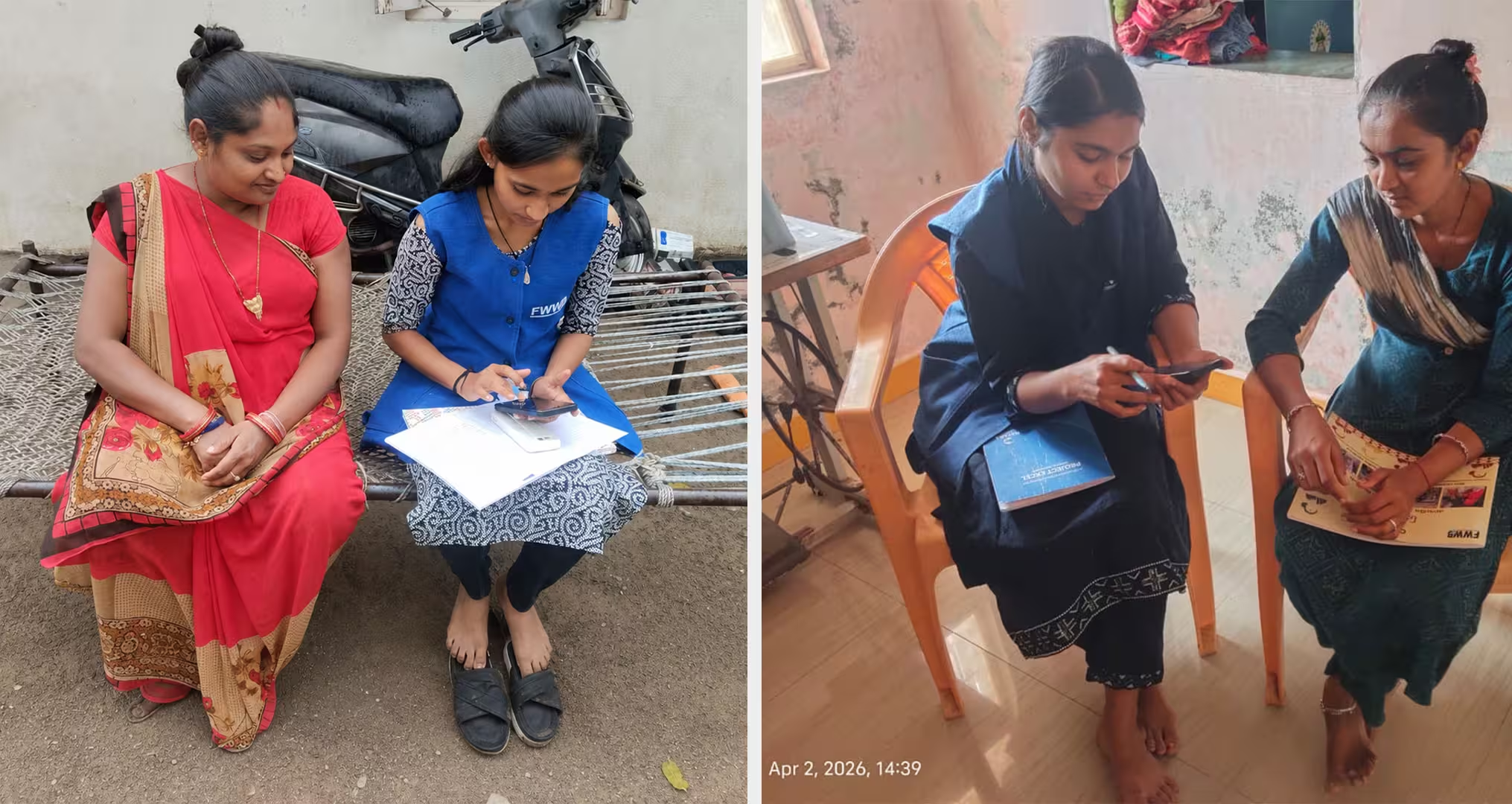
Chhafa Farmer Producer Company (FPC), a women-owned collective with 538+ members, had already built an aggregation platform.
But:
- Enterprises were seasonal
- Processing units had limited margins
- Long inactive periods weakened sustainability
The dairy ecosystem reflected deeper gaps:
- No standardised quality testing
- No transparent procurement
- Irregular payments
- No receipts
- No local value addition
Women remained producers, not price negotiators or decision-makers.
FWWB’S APPROACH
On 15 October 2025, FWWB initiated a three-month pilot.
The focus was not only income generation, but correcting systemic inefficiencies in the dairy value chain.
The intervention was anchored in:
- Governance reform
- Transparency
- Market viability
INSTITUTIONAL & MARKET INTEGRATION
FWWB facilitated an MoU between Chhafa FPC and Infokul Pvt Ltd.
This enabled:
- Assured procurement of milk and value-added products
- Access to premium buyers
Milk samples passed quality testing across 50+ hotels. Supply relationships were established with hospitality partners including Hyatt and Fern.
TRANSPARENT SYSTEMS & CAPACITY BUILDING
A standardised procurement system was introduced:
- Daily automated milk testing
- Instant digital receipts
- Quality-linked pricing
- Direct bank transfers every 10 days
Women also received training in:
- Machine operations
- Record-keeping
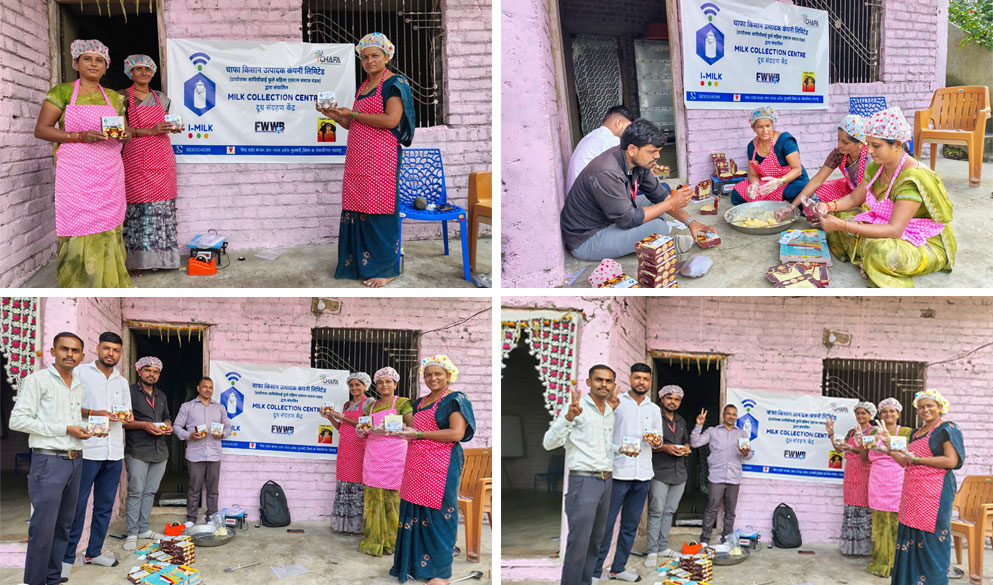
- Value-added product production
- Hygiene, packaging, and branding
The FPC moved up the value chain.
DEMONSTRATED RESULTS WITHIN 90 DAYS
Between October 2025 and January 2026:
- 100+ litres of milk procured daily
- ₹1 lakh monthly revenue generated
- Timely payments every 10 days
- Local employment created
Dairy now provides a year-round income stream.
BEYOND INCOME
Rainfed regions remain highly vulnerable to climate variability.
The Narla experience shows:
Resilience comes from institutional correction.
Through:
- Governance strengthening
- Transparent systems
- Capacity building
- Market linkages
A replicable model for women-led dairy enterprises has emerged.
In Narla, dairy is no longer informal. It is a transparent, women-led enterprise positioned for growth.
Inputs by:
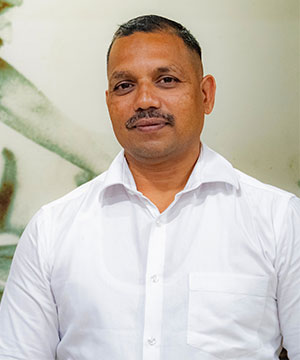
Kurshid Alam
Programme Officer
Agriculture Capacity Building and Climate Change, FWWB
Authored by:
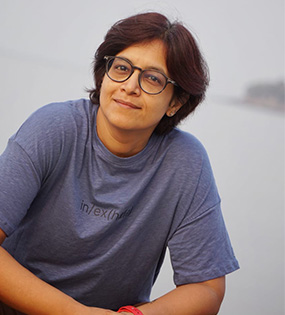
Disha Shrivastava
Strategic Communications Consultant, FWWB
Disha is a seasoned leader with over 16 years of experience in the impact and education sectors, including leadership roles and serving as a CEO. She brings deep expertise in strategic communications, fundraising, organisational development, and program management, with a track record of strengthening institutions and driving scalable impact. An MBA in Marketing, a banker-turned development-sector professional, a certified counsellor, and a Dance Movement Therapy practitioner from TISS, Mumbai, Disha blends analytical rigour with creative facilitation, making her an effective bridge between strategy, people, and purpose. She is a professional storyteller and a corporate speaker. Her expertise lies in women’s empowerment, gender, education and entrepreneurship.
Passionate about human potential and systems change, she has presented her research at leading institutions and represented the media at the 2022 and 2026 Women Deliver Conferences. Beyond her professional journey, Disha is an endurance athlete and ultracyclist, pursuing long-distance cycling and sports as expressions of discipline, resilience, and lifelong learning.
Her visionary leadership, deep sectoral expertise, and resilience make her uniquely suited to work that requires clear vision, cross-sector collaboration, and a commitment to meaningful impact.