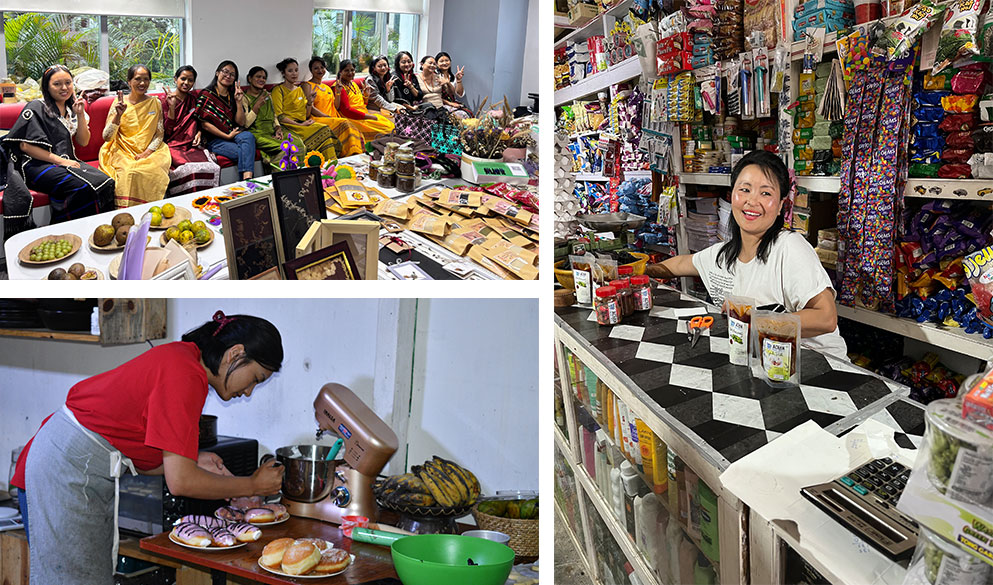
In the Northeast, the question is rarely, “Do women want to work?”
It is, “What work is available and can survive distance, fragile infrastructure, and thin markets?”
Across many districts, formal private-sector jobs remain limited. Large-scale industry and services cluster with easier logistics, electricity, and market access. In much of the region, settlements are dispersed, and connectivity can be unreliable. The cost of doing business rises. Stable wage employment remains scarce.
We find that many households respond to this by building mixed livelihoods that combine agriculture, petty trade, seasonal work, and micro-enterprises stitched together throughout the year.
Women play an important role in this system; far from being secondary earners, they stabilise household cash flow. We observe this in different parts of the Northeast, where women’s economic participation has deep cultural and historical roots and differs from those in several patriarchal contexts in other parts of India.
In parts of Manipur, for example, the women-run Ima Keithel reflects a long history of women managing trade and markets. In Meghalaya, matrilineal traditions among Khasi, Garo, and Jaintia communities have shaped women’s economic visibility and decision-making roles.
But visibility alone does not equal ease.
What Women Entrepreneurs Are Really Up Against
When we sit with women across Assam, Meghalaya, Nagaland, and Manipur, the same pattern emerges.
Their businesses are not failing because demand is absent. They are navigating a layered set of structural frictions that make every small decision heavier than it should be.
- Distance Increases Every Cost
A woman may be ready to take an order. But the right yarn, jars, packaging, or spare parts are not available nearby. A trip to procure them can mean a full day lost – time away from production, family responsibilities, and income.
Dispatch can be equally uncertain. Courier pickups may not be regular. Fragile parcels may be refused. These repeated, small disruptions quietly reduce margins.
- Credit Arrives Late… Or at a Cost
Many women can grow their businesses but they often cannot provide the collateral or documentation that formal banks require.
When seasonal demand rises, working capital must be available immediately. Often when it is not, women either borrow informally at a higher cost or reduce production during their strongest sales window.
Basic banking also takes time. Branches may be far. Local service points may be unreliable. A single delay can derail a seasonal opportunity.
- One Shock Can Undo Months of Work
We often see business income and household income blend out of necessity. Savings are kept as cash at home. Insurance and social protection schemes remain underutilised, not because women are unaware of risk, but because no one has explained access clearly.
When illness, crop loss, or stock damage occurs, business capital is redirected to manage the crisis. Growth pauses.
- Infrastructure Limits Productive Hours
We see this in places where women grind spices, stitch garments, or run small tailoring and service units. When electricity is unreliable, machines sit idle, deadlines slip, and work shifts into late evenings. This shift is not always possible for women managing childcare, safety, and household responsibilities.
People often say ‘scale up,’ but scaling up requires dependable hours, not just motivation.
- Markets and Digital Expectations Are Rising
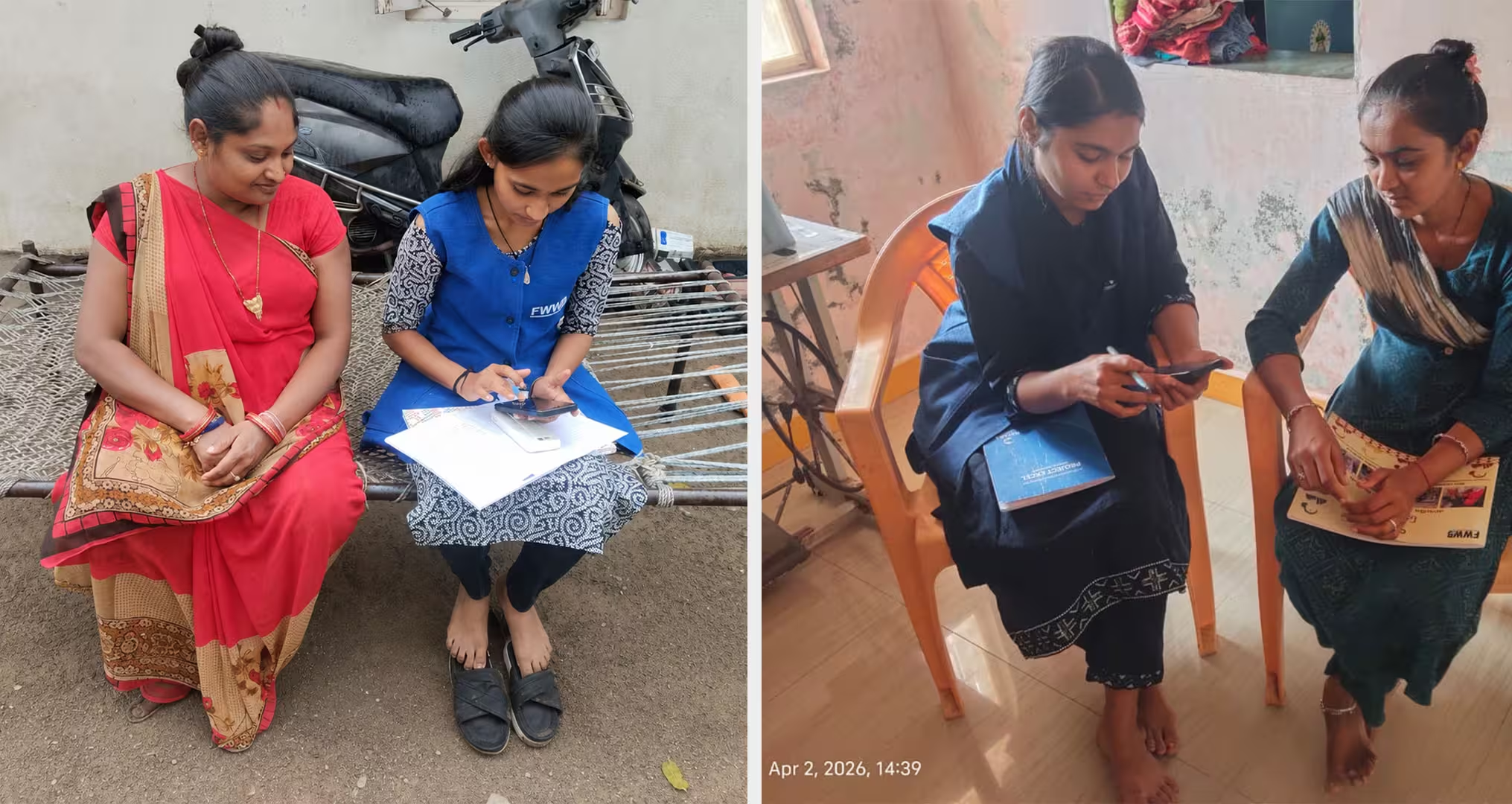
Buyers increasingly expect digital payments, invoices, WhatsApp catalogues, and consistent follow-up. Many women own phones, but confidence in using digital tools for business remains fragile. A failed transaction can discourage further use.
Transport costs to reach larger markets can swallow profits. Intermediaries reduce bargaining power and price visibility.
Individually, each of these barriers seems manageable. Together, they stack up.
How FWWB Strengthens the Conditions Around Women-Led Enterprise
Enterprise viability in the Northeast depends on more than individual effort. It depends on whether finance is timely, infrastructure is reliable, and market systems function consistently.
FWWB’s work is therefore not limited to supporting individual entrepreneurs. It focuses on strengthening the enabling conditions that make an enterprise sustainable in high-friction environments.
Reducing Last-Mile Enterprise Burdens
FWWB works through local partners and community systems so women do not have to solve every input and access gap alone.
Therefore, practical, locally grounded solutions are needed to reduce repeated travel, lower transaction costs, and minimise production delays, allowing women to spend more time producing and selling.
Reliable Energy as a Livelihood Input
For many women, business happens after the day’s other responsibilities. When power goes off, work stops. A tailoring order remains unfinished. Grinding or processing is delayed. Packing gets pushed to late evening, which is not always safe or feasible.
Recognising this early on, FWWB launched its Solar Energy Program in 2008. Solar lamps were introduced not as household luxuries, but as tools that extend productive hours. When lighting is reliable, orders are completed on time. Accounts are maintained, and production does not halt with power cuts.
Expanding Responsible Credit Access
Through its Catalytic Lending Program, FWWB steps in and supports MFIs and NGOs to deliver credit that reflects local realities. By strengthening institutional capacity and systems within these organisations, credit delivery becomes smoother and more accessible for women who lack traditional collateral.
Timely working capital reduces dependence on high-cost informal borrowing and protects seasonal sales opportunities.
Building Financial Resilience
Financial literacy initiatives focus on practical, applied knowledge. Women are supported to separate business and household finances, understand borrowing costs, plan regular savings, and access insurance and government schemes.
The goal is simple: one crisis should not erase months of enterprise progress.
Enabling Digital Market Participation
Digital literacy support is aligned with real business needs — safe digital payments, record-keeping, buyer communication, and basic cataloguing. Confidence in these tools allows women to manage transactions independently and build repeat customers.
Sustained Enterprise Development
Recognising that credit alone does not build a business, FWWB launched its Women Entrepreneurship Support Program in 2014. Since then, more than 25,000 women have been supported with skills training, market readiness, branding, packaging guidance, peer networks, and access to government schemes. Enterprise growth requires continuity and not a one-time intervention.
Conclusion
The principle guiding FWWB’s work is straightforward: when women are doing the work, the system around them must work too.
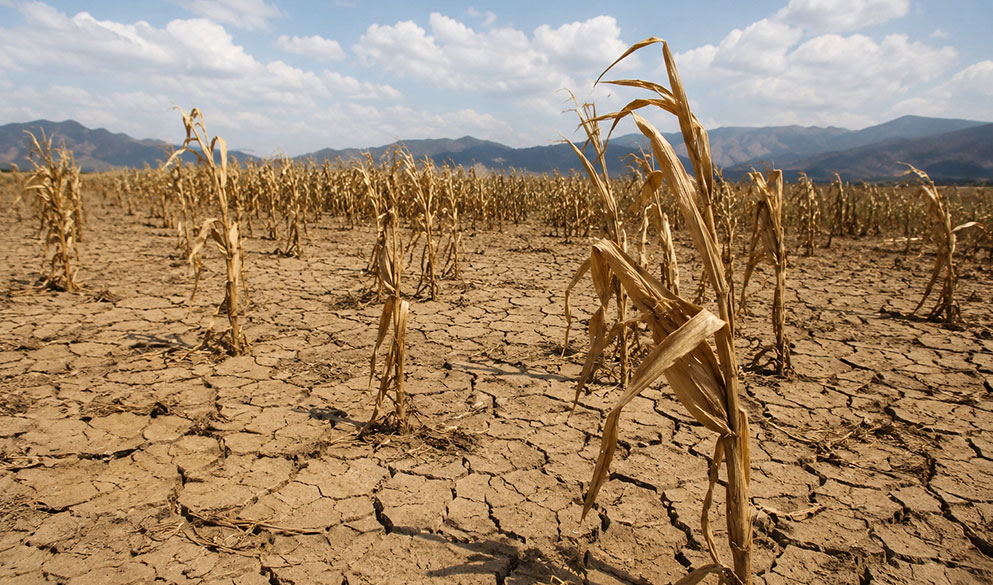
By supporting climate-resilient practices and livelihood stability, we help reduce that constant pressure, so women can reinvest in their enterprises instead of repeatedly using business income to manage crises.
FWWB’s work across Assam, Meghalaya, Nagaland, and Manipur reflects this core learning: when everyday frictions are reduced and enabling systems converge around women’s enterprise realities, micro-enterprises stop being fragile. They become steady, investable, and capable of growth, even in thin and uncertain markets.
Authored by:

Alexis Muthiah
WEP Programme Manager, FWWB
Alexis is the manager of WEP vertical in FWWB. Overall she has more than 12+ years of experience in the development sector. At FWWB, she manages Programmes on livelihood skills, entrepreneurship development, and financial & digital inclusion of women in the informal sector from low-income households.