As India grapples with an increasingly unpredictable climate – erratic rainfall, prolonged droughts, rising temperatures – agriculture faces mounting stress. Non-conventional hybrid) Seeds introduced during the Green Revolution are increasingly proving fragile under these changing conditions. In contrast, indigenous seed varieties – traditional landraces of millets, pulses, rice, and vegetables – offer resilience, adaptability, and biodiversity.
Preserving such seeds is not just a matter of heritage; it is an urgent climate-smart strategy. Central to this effort are women farmers-often the custodians of seed knowledge, selection, storage, and sharing.
In this article, we highlight how women across India-many supported by Friends of Women’s World Banking, India (FWWB) and allied grassroots groups-are building a quiet yet powerful seed-sovereignty movement, anchoring food security in agrarian resilience.
Why Indigenous Crops Are Climate-Smart: Lessons from the Field
The return to indigenous crops is not merely symbolic-it is pragmatic. Studies and on-ground experiences show that local landraces often outperform high-yielding varieties under stress.
For example, in tribal areas of Odisha, where farmers reverted to indigenous rice (such as the “Jhumpuri” landrace) and pulses, even under drought or irregular rainfall, these crops yielded reasonably well with minimal inputs-no chemical fertilisers, fewer pesticides-and were more resistant to pests and diseases than HYVs. Mongabay-India
Local crops are typically adapted over generations to local soils, rainfall patterns, pest pressures, and altitudes. They also support organic and low-input farming, helping restore soil health and ecosystem balance. Mongabay-India
Significantly, biodiversity matters: having many crop varieties reduces risk. If one fails due to drought or flood, others may survive – creating a “portfolio” of resilience rather than reliance on a single cash crop. India Water Portal
The Role of Women in Seed Sovereignty: Custodians of Biodiversity
Many grassroots organisations are working to protect and promote indigenous seeds among smallholder farmers to build resilience. Some prominent initiatives are outlined below to facilitate learning and adoption.
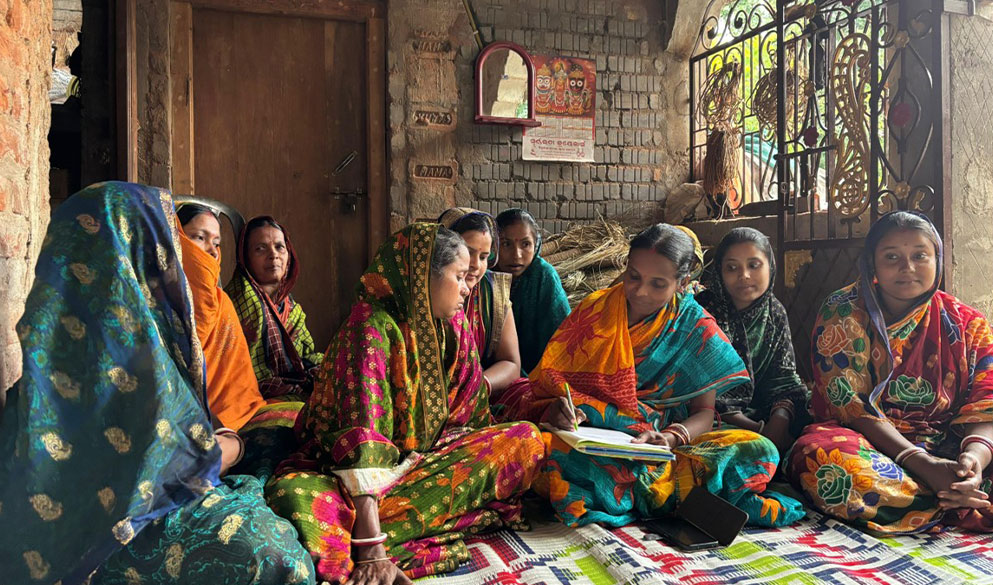
Beej Swaraj: In many tribal and rural communities, seed conservation has long been a domestic and community responsibility entrusted to women. As described in case studies from organisations such as Vaagdhara, women who learnt seed saving from their mothers have now transformed it into a conscious mission of “indigenous seed sovereignty” or “Beej Swaraj.” Vaagdhara
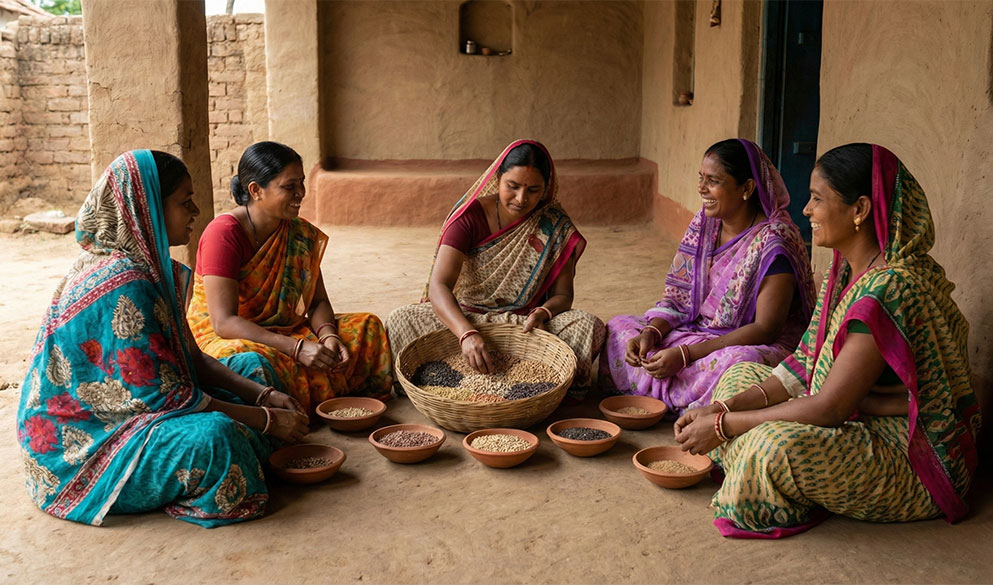
For decades, women across villages have practised careful selection of seeds – choosing the healthiest grains or fruits, drying them properly, storing them in granaries or clay pots, and preserving them for future seasons. As one seed-saver from Banswara (Rajasthan) explained, women know exactly “where and in what quantity seeds have to be preserved.” Vaagdhara
These practices are critical in times of crisis: during the COVID lockdowns, when supply chains faltered, and markets were inaccessible, women-led seed banks-by virtue of their careful storage-ensured that local communities had access to seeds for the next planting. Vaagdhara
Seed Banks: More broadly, community-run seed banks across India now steward hundreds of indigenous varieties. A recent national-level survey identified approximately 887 traditional varieties across 71 crops preserved by 22 community seed banks and individual custodians in 15 states. India Water Portal
Yet most of this effort remains informal-neither fully recognised nor supported by formal policy-making the role of women even more critical: they are often the only line of defence for agricultural biodiversity and climate resilience. Oxfam India
Doubling Farmers’ Income (DFI) Report estimates that 60-65% of India’s seed is still farm-saved or unlabelled. However, according to a study by IISS scientists, the overall contribution of the formal seed sector increased from 45 per cent to 54 per cent during 2016-2018. The analysis of primary data showed that the ratio of formal to informal seed sectors was 64.20:35.80 for field crops, 67.10:32.90 for cereals, 57.20:42.80 for pulses, and 52.30:47.70 for oilseeds. It is clear that robust regulation is needed to protect farmers’ livelihoods vis-à-vis the seeds they use. In addition to strong regulation, community awareness, and community seed banks, these will play a key role in ensuring the availability of high-quality seeds during the sowing season.
Community Seed Banks: Institutions of Resilience and Autonomy
The rise of community seed banks in India marks a significant shift – from private, individual conservation to collective, institutional preservation. These seed banks operate on principles of sharing, reciprocity, and stewardship rather than profit. India Water Portal
A few salient features:
- Seed-loan systems: Many banks follow a “take 5 kg, return 10 kg” ethos – farmers borrow seed at sowing, and return double the quantity after harvest. This ensures replenishment and community trust. India Water Portal
- Gifting and sharing models: In tribal areas or vulnerable regions, seeds are gifted or lent without expectation of return, favouring food security over commerce. India Water Portal
- Local governance and inclusion: Many banks prioritise marginalised farmers-widows and small- and marginal-landholders-to promote inclusivity and social equity. India Water Portal
These banks are not relics of nostalgia. Instead, they are living institutions channeling ecological wisdom, community solidarity, and climate-smart agriculture.
FWWB’s Engagement: Building Gender-Inclusive Climate Agriculture
As an organisation committed to women’s economic empowerment, gender inclusion, and sustainable livelihoods, FWWB has integrated climate resilience and indigenous agriculture into its programming. FWWB India
- Through its Agriculture Capacity-building programme, FWWB has worked with more than 55,000 farmers across more than 30 states. FWWB India
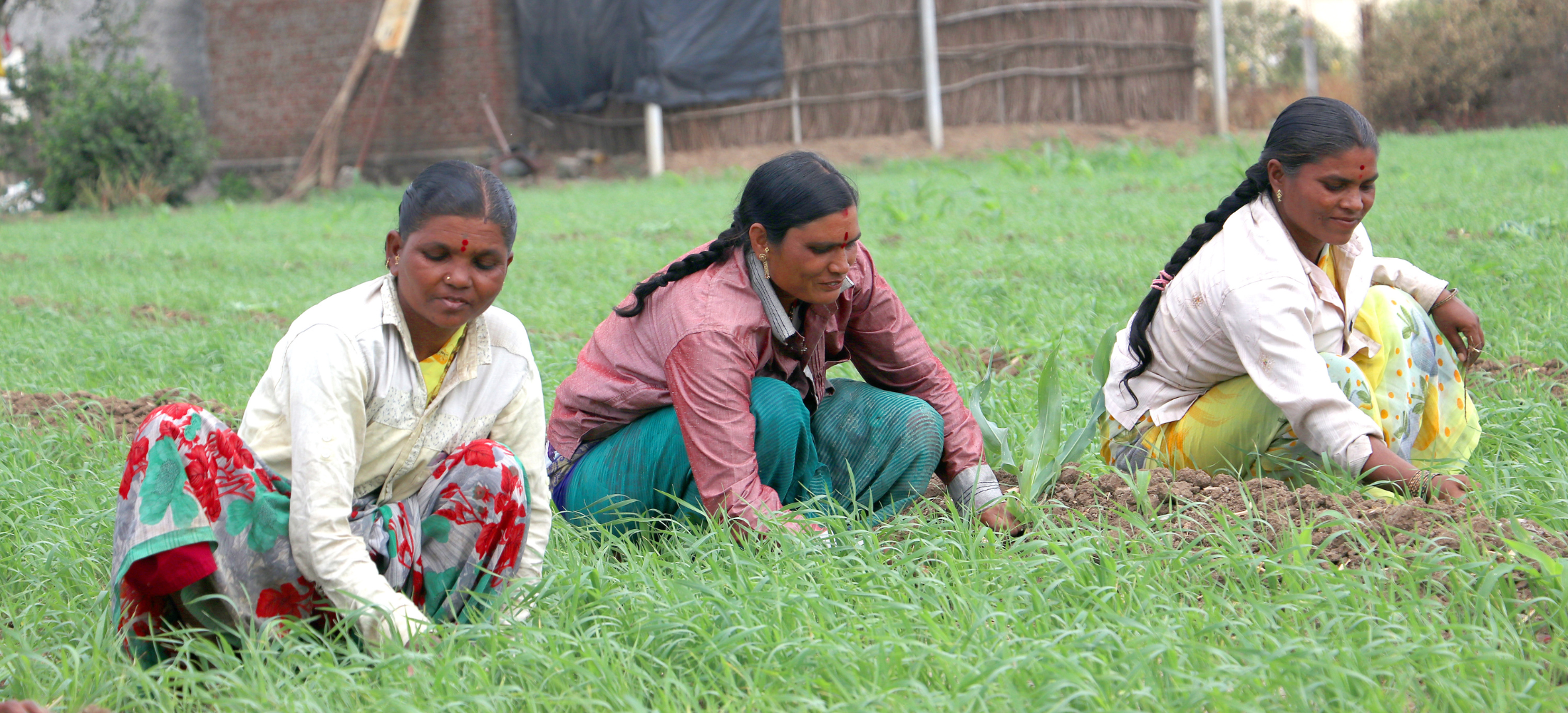
- In the broader Climate Action portfolio, FWWB promotes adoption of natural farming, organic agriculture, and local climate-resilient practices – often led by women in farmer collectives, SHGs, and FPOs. FWWB India
- By providing access to credit, training, and community organisation, FWWB helps women move beyond subsistence, enabling them to manage seed banks, cultivate crops, and engage in value addition, thereby integrating ecological stewardship with economic opportunity. FWWB India
Through FWWB-supported programmes, women become not only agricultural labourers but also biodiversity custodians, climate agents, and entrepreneurs, thereby bridging the gap among food security, environmental sustainability, and livelihoods.
Success Stories from Across India – Women Leading the Way
- In the tribal belts of Rajasthan, women from groups such as Saksham Samuh began cultivating diverse crops-beyond paddy and maize- such as leafy vegetables, turmeric, pulses, and fruits, selecting and preserving seeds as part of their traditional knowledge system. Vaagdhara
- In the drylands of Madhya Pradesh and Telangana, community seed banks, such as the Sangham Seed Bank (established by a women’s collective), have preserved over 80 traditional varieties-millets, pulses, dryland rice, and oilseeds -adapted to drought and heat. Down To Earth
- Across Odisha, tribal communities revived local paddy and millet varieties. Farmers reported stable yields even during years of water scarcity, without the high input costs and ecological damage associated with chemical-intensive HYV farming. Mongabay-Indi
These are not isolated anecdotes. They signal a growing grassroots shift-rooted in women’s knowledge, collective action, and respect for ecological balance.
Case Study: Women-Led Indigenous Seed Revival in Gujarat – FWWB’s Climate-Smart Agriculture Intervention
Background
Gujarat – especially its dryland districts such as Amreli, Bhavnagar, Surendranagar, and Rajkot – faces increasing climate variability, including irregular monsoons, heat stress, and soil degradation. Recognising these vulnerabilities, FWWB initiated a climate-resilient agriculture programme to revive indigenous crop varieties, strengthen women’s leadership in agriculture, and build local seed sovereignty. According to FWWB’s published records, its “Climate Action” vertical reached about 6,000 farmers across several states, including Gujarat. FWWB India
More broadly, under its “Agriculture Capacity Building” programme, FWWB has supported approximately 55,000 farmers and more than 90 FPOs across various states, including many districts in Gujarat. FWWB India
In 2023, FWWB selected four villages in Rajkot and Amreli districts to pilot an indigenous seed revival initiative, focusing on women-managed seed governance and climate-smart cropping.
Intervention Description
FWWB’s support in Gujarat comprised:
- Training & Capacity Building
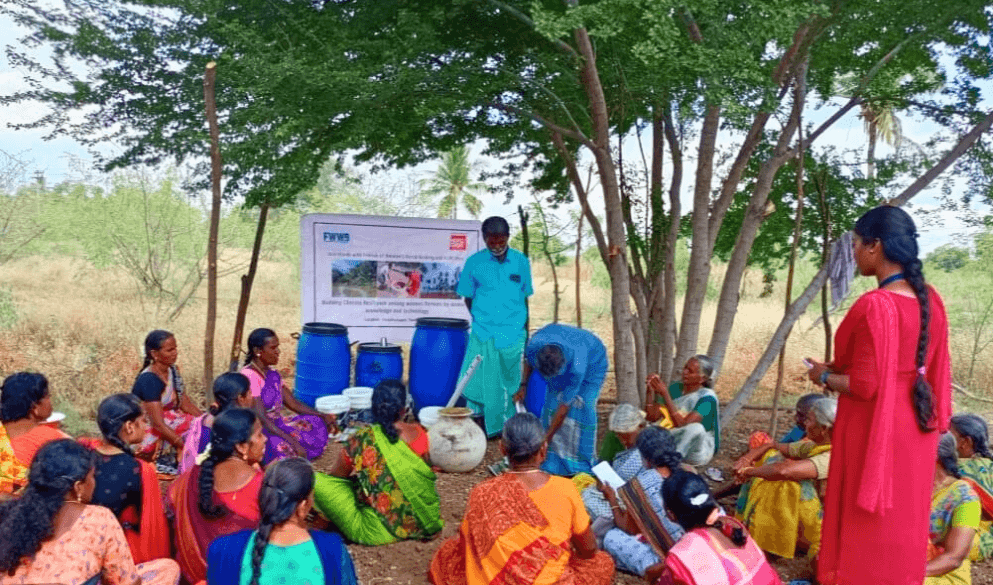
- Around 120 women farmers (30 per village) from SHGs were trained in seed selection, seed storage (traditional + improved), natural pest management, and dryland farming practices.
- Training modules included techniques for germination testing, moisture control, crop rotation and inter-cropping suited to the agro-climatic zone.
- Establishment of a Community Seed Bank
- A community seed bank was set up in a central village in Amreli district, managed entirely by a 7-member women’s committee drawn from participating SHGs.
- Infrastructure support included sealed metal drums for storage, moisture absorbers, basic germination testing kits, and a ledger for cataloguing seed varieties and transactions (borrowing, returning, exchange).
- Seed Distribution & Exchange Mechanism
- Ahead of the sowing season (monsoon), women farmers borrowed seed from the bank on a “seed-loan” basis; after harvest, they returned double the quantity – ensuring replenishment and sustainability.
- Surplus seed was shared with neighbouring villages, thereby fostering a wider network of seed sovereignty.
- Linkage with Agriculture Capacity Building & Institutional Support
- Through FWWB’s broader network for agriculture capacity-building, the women’s collective gained access to technical mentoring, low-interest credit, and periodic monitoring.
- Crop diversification advice and mentoring helped shift from monoculture (e.g., mostly groundnut/cotton) to a mix of millets, pulses, and drought-resilient legumes.
- Individual Champions of native seeds;
- Individual women saving seeds for the next season should be encouraged to adopt best practices for seed collection and storage.
- Encouraging them to develop a collection of regionally adapted crops and their seeds, so that smallholder farmers can easily access them.
- Provide them with exposure to experts and to research and educational institutions working on this aspect of preserving native seeds.
Results & Impact (After Two Seasons)
- Seed Varieties Revived: The seed bank initially catalogued 22 indigenous varieties – including native millets (e.g., kodo, kutki), drought-resistant pulses (e.g., mung, moth), and traditional oilseeds – many of which had nearly vanished from local cultivation.
- Crop Diversity & Resilience: On average, households participating in the programme grew 3–4 crops per season (compared with 1–2 previously), reducing the risk of crop failure.
- Input Cost Reduction: With a return to traditional pulses and millets – requiring minimal fertiliser and pesticide -or no use of chemical fertilisers and pesticides, participating farmers reported a 25–30% reduction in input costs compared to hybrid-intensive seasons.
- Sustained Yields under Stress: During a delayed 2024 monsoon (shorter rainfall, uneven distribution), indigenous millet crops had a ~70% survival rate, whereas conventional groundnut monocrops partially failed in several plots.
- Women’s Leadership & Governance Strengthening: The community seed bank is now managed exclusively by women. The 7-member Seed Committee meets regularly; seed loans are recorded transparently. Women report increased confidence in farming decisions.
- Wider Community Reach: The seed-exchange model has been extended to two additional villages in neighbouring Amreli taluka.
Testimonial from Beneficiary
“For the first time in many years, we have seeds of our own – seeds that survive even when rainfall fails. We don’t depend on market seed dealers anymore.” – Smt. Radhaben, Seed Bank Committee Member, Village, Amreli, Gujarat.
Broader Significance
- Scalable Model: This pilot in Gujarat demonstrates how a small-scale, women-led seed bank can be established with modest investment and replicated across similar dryland districts. Given FWWB’s broader outreach (55,000 farmers nationwide), scaling such seed-sovereignty models could reach thousands more farmers. FWWB India
- Climate Resilience & Food Security: Diversified cropping with indigenous varieties reduces dependence on external inputs and improves resilience to erratic weather – critical in semi-arid Gujarat, where climate shocks disproportionately affect farmers.
- Women’s Empowerment & Institutional Strengthening: By placing women at the centre-as seed custodians, decision-makers, and resource managers-the programme advances gender equality in agriculture and strengthens local governance.
- Sustainable Value-Chain Potential: With the revival of indigenous crops, there is potential to enhance value addition – e.g., millet flour and organic pulses- thereby offering new livelihood and nutrition-security pathways. This aligns with FWWB’s broader goal of sustainable livelihood and gender-inclusive agriculture. FWWB India
Lessons & Next Steps (Recommendations for Gujarat Scale-Up)
- Document detailed yield data, input-cost savings, and seed viability results to build an evidence base for policy advocacy.
- Expand the seed bank network to additional villages across dryland districts (E.g., Amreli, Surendranagar, Rajkot).
- Facilitate value-addition training (millet processing, organic pulses), and create market linkages for produce – leveraging FWWB’s institutional network.
- Encourage state-level recognition and support (storage infrastructure grants, seed bank funding) to sustain seed sovereignty beyond pilot phases.
- Continue capacity-building with technical mentoring and periodic refresher training; engage youth and next-generation women farmers to ensure inter-generational continuity.
Challenges and the Way Forward
Despite the promise, this movement faces serious challenges:
- Lack of formal recognition and support: Many community seed banks remain informal; there is limited institutional or policy support for storage infrastructure, scientific validation, or scaling up. India Water Portal
- Storage, technical limitations: Traditional storage methods (e.g., earthen pots, cloth sacks) are vulnerable to moisture, pests, and decay over time; modern seed banks often require improved infrastructure (e.g., airtight containers, moisture control, seed-viability monitoring). Down To Earth
- Market and economic pressures: Commercial hybrids and high-yielding varieties remain attractive to policymakers and many farmers because of their short-term high yields, making it difficult for indigenous seed systems to compete economically in the absence of supportive markets.
To overcome these, we need multi-pronged action:
- Policy recognition & support: Government and agricultural research bodies must formally recognise community seed banks, provide support for infrastructure (storage and seed testing), and integrate seed sovereignty into climate-resilience programmes.
- Linking conservation with livelihoods: Conservation alone will not suffice-we must link seed preservation with value addition, local markets, agro-processing, and livelihood opportunities, particularly for women. Organisations like FWWB can play a pivotal role here.
- Scientific collaboration & capacity building: Collaboration with research institutes to validate heritage varieties, document nutritional and agronomic traits, and promote climate-resilient cropping patterns. Training farmers – especially women – in seed-saving, organic farming, natural pest control, and water-conserving practices.
- Community-based seed exchange networks: Strengthening networks of seed savers, community seed banks, and farmer collectives – fostering collective ownership and shared responsibility.
Conclusion: Women, Seeds and the Future of Indian Agriculture
In the face of climate uncertainty, the spread of monocultures, and biodiversity loss, the humble act of saving seeds becomes a radical, resilient, and wise choice. Women across India – often marginalised, under-recognised, but rooted in traditional knowledge – are quietly leading a revolution.
Through collectives supported by FWWB and other grassroots organisations, they are reviving indigenous crops, restoring biodiversity, building food and climate resilience, and reclaiming autonomy over what they sow and what they eat.
For India to navigate the twin challenges of climate change and food security, this bottom-up, women-led seed sovereignty movement must be nurtured, supported, and scaled. In their grain stores lie not just seeds – but the future of sustainable agriculture, ecological balance, and food sovereignty for generations to come.
Co-authored by:
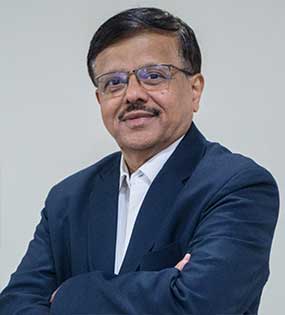
S S Bhat
CEO, FWWB
Mr. S. S. Bhat, Chief Executive Officer of Friends of Women’s World Banking India (FWWB). A seasoned banking professional, Mr. Bhat brings over 37 years of distinguished experience across banking operations, management, and administration. He began his career with Canara Bank in 1980, subsequently holding a wide range of senior leadership roles across geographies and functional domains.
Before joining FWWB, Mr. Bhat served as Managing Director of Ananya Finance for Inclusive Growth, where he successfully led significant business expansion while remaining deeply committed to the organisation’s social impact mandate. A rare balance of financial acumen and development-oriented vision marks his leadership.
In recognition of his outstanding contributions to the banking sector, Mr Bhat has been honoured with the Aryabhata International Award for Excellence, underscoring his credibility, integrity, and enduring impact in the field.

Disha Shrivastava
Strategic Communications Consultant, FWWB
Disha is a seasoned leader with over 15 years of experience in the impact and education sectors, including her tenure as CEO of Adhyayan Quality Education Services. She brings deep expertise in strategic communications, fundraising, organisational development, and program management, with a track record of strengthening institutions and driving scalable impact in education, women empowerment, climate and agriculture domains. A certified Dance Movement Therapy practitioner, Disha blends analytical rigour with creative facilitation, making her an effective bridge between strategy, people, and purpose.
Passionate about human potential and systems change, she has presented her research at leading institutions and represented the media at the 2022 Women Deliver Conference. Beyond her professional journey, Disha is an endurance athlete and ultracyclist, pursuing long-distance cycling and sports as expressions of discipline, resilience, and lifelong learning.
Her combination of visionary leadership, sectoral depth, and personal grit uniquely positions her for senior executive roles-particularly those that demand clarity of vision, cross-sector collaboration, and a commitment to meaningful impact.