How does women’s leadership address climate change?
Climate change is a pressing global challenge with severe social, economic, and environmental impacts. In India, the effects are deeply felt across rural and urban landscapes, with frequent droughts, floods, and record heatwaves altering ecosystems and livelihoods. Among those most affected are women, who endure the most because of their roles in agriculture, the informal economy, and caregiving. Despite these adversities, women emerge as critical leaders in environmental action, driving sustainable solutions that reshape India’s climate response.
The Disproportionate Impact of Climate Change on Women
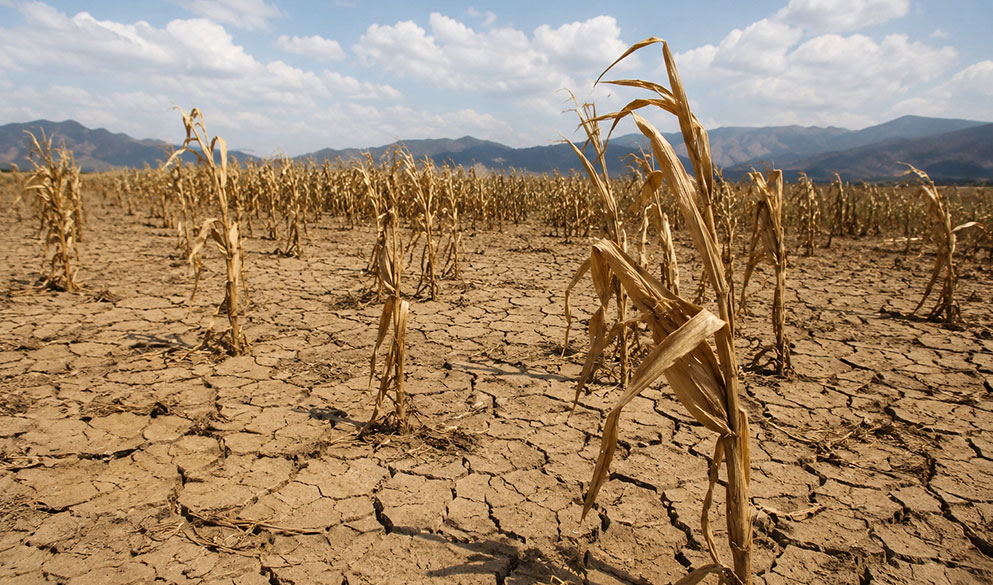
Does Climate change affect all communities equally? According to the Ministry of Agriculture1 and Farmers Welfare, rural women constitute around 65% of the agricultural workforce in India and are particularly vulnerable, and women—especially those from low-income and rural households—bear a disproportionate share the impact of climate change. As primary managers of household food, water, and energy in many contexts, women are often the first to feel the consequences of climate shocks such as erratic rainfall, prolonged droughts, and extreme weather events. They face growing hardships due to erratic weather patterns, crop failures, and land degradation. The impact of climate change on women’s health, economic stability, and overall well-being is pervasive, yet their contributions to agricultural best practices often go unnoticed. Addressing this imbalance requires recognising and supporting women’s roles as vital actors, first in agriculture and then in climate change mitigation and environmental leadership.In India, rural women are often at the frontline for managing natural resources such as water, fuel, and food. Their lives and livelihoods are intertwined with the environment, making them more vulnerable to climate-related disruptions. Each day, women and girls collectively spend 200 million hours collecting water (UNICEF, 2016) – in 7 out of 10 households where water is not readily available, women and girls are responsible for collecting and managing its use, which impacts economic and educational opportunities (UNICEF & WHO, 2023). These stresses increase their unpaid care and labour burden, reduce income-earning opportunities, and heighten food and livelihood insecurity. Limited access to land ownership, credit, insurance, and climate-resilient technologies further constrains women’s ability to adapt and recover, reinforcing existing gender inequalities. Addressing climate change, therefore, requires gender-responsive approaches that recognise women not only as vulnerable to climate risks, but also as critical agents of resilience, innovation, and sustainable economic growth.
Data on Women’s Participation and Impact
While women are crucial to climate mitigation, their representation in decision-making processes remains limited. According to the United Nations Development Programme (UNDP), women account for less than 13% of climate negotiators globally, and similar trends are observed in India. The lack of representation at higher levels of governance and policymaking often results in women’s unique perspectives and needs being overlooked in climate action plans.
However, data also show that when women are involved, environmental outcomes improve. A study by the International Food Policy Research Institute (IFPRI)2 found that women-led households in India are more likely to adopt sustainable practices, such as crop diversification and organic farming. Women’s groups are also instrumental in implementing government schemes, such as the Mahatma Gandhi National Rural Employment Guarantee Act (MGNREGA), which includes environmental conservation activities such as afforestation and water conservation.
Women’s Leadership in Environmental Action: Key Examples from India
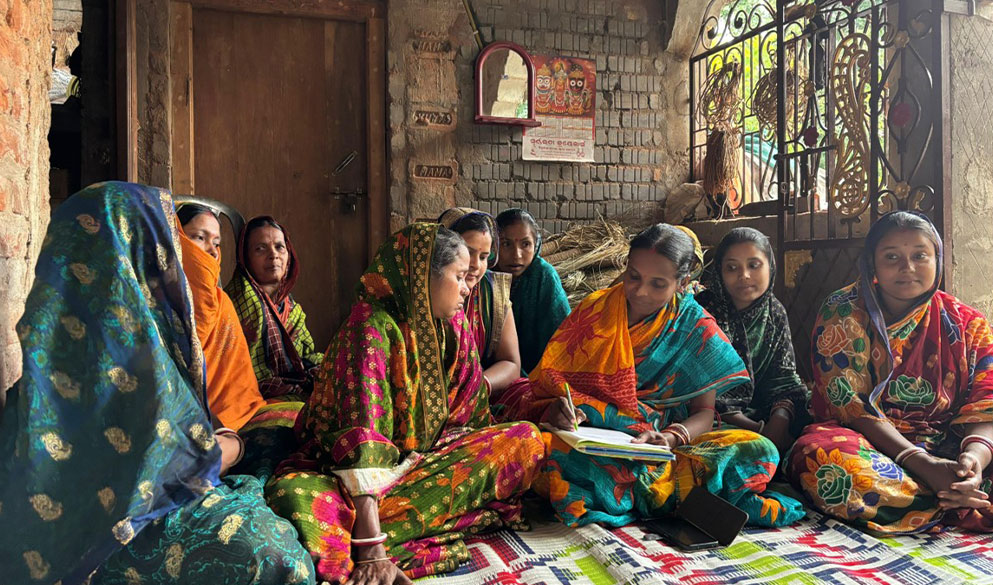
Women in India have a long history of environmental activism, demonstrating resilience and leadership in the face of ecological challenges. Their involvement ranges from grassroots movements to policy advocacy, emphasising the need for sustainable practices and community empowerment. A few of them are stated below:
- The Chipko Movement3: One of the most iconic examples of women’s leadership in environmental action is the Chipko Movement of the 1970s. Originating in the hills of Uttarakhand, this movement saw rural women physically hug trees to prevent deforestation, thereby protecting their forests from commercial exploitation. Led by local women like Gaura Devi4, the Chipko Movement became a symbol of non-violent resistance and community-driven conservation, highlighting women’s integral role in safeguarding natural resources.
- Sustainable Agriculture and the Self-Employed Women’s Association (SEWA)5: In Gujarat, SEWA empowers women by promoting sustainable agricultural practices, water conservation, and renewable energy sources. The organisation trains women farmers in organic farming, water management, and climate-resilient crops, enhancing their income and food security. SEWA’s efforts have improved the livelihoods of over 1.7 million women, proving the transformative power of women-led environmental initiatives.
- The Navdanya Movement6: Founded by environmental activist Dr Vandana Shiva, the Navdanya movement is another notable example of women’s leadership in environmental action. Navdanya works to promote biodiversity, organic farming, and seed sovereignty. The organisation has trained over 900,000 farmers, many of whom are women, in sustainable agricultural practices that resist climate change impacts. Navdanya empowers women to take charge of food security and environmental sustainability by preserving indigenous seeds and promoting agroecology.
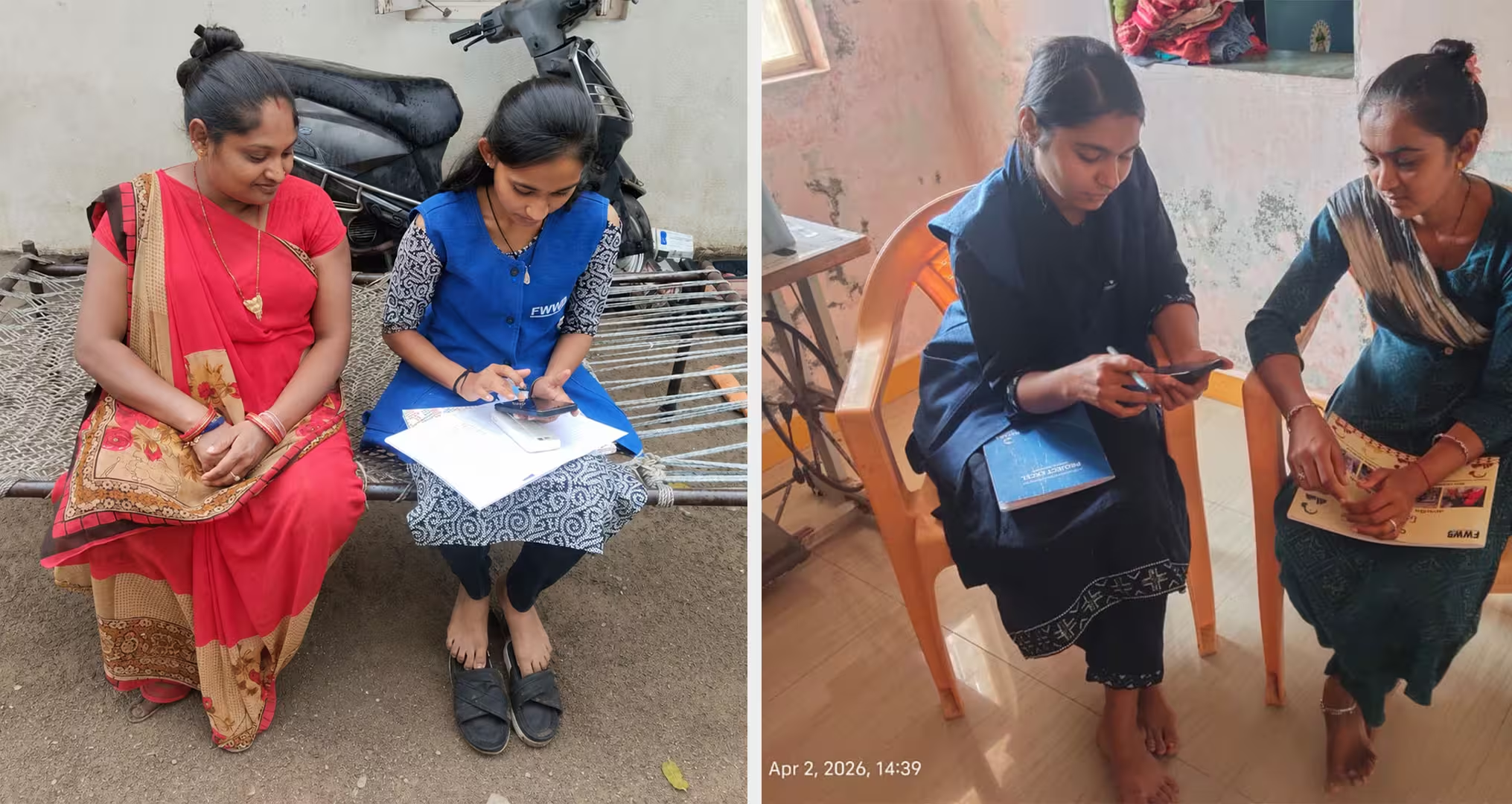
- Friends of Women’s World Banking (FWWB) India7 : is a critical organisation that promotes women’s economic empowerment through microfinance and capacity-building initiatives, significantly contributing to environmental action. FWWB recognises the essential role women play in managing natural resources and addressing climate challenges, especially in rural areas where women are primary caregivers of the environment.FWWB provides financial support and training to women-led micro-enterprises focusing on sustainable agriculture, water management, and renewable energy solutions. By facilitating access to credit and financial services, FWWB enables women to adopt climate-resilient practices, such as organic farming, rainwater harvesting, and solar-powered equipment.One notable initiative involves supporting women farmers in Gujarat and Rajasthan in shifting towards sustainable agricultural methods that reduce environmental impact while improving productivity. FWWB’s emphasis on training women in eco-friendly technologies empowers them to become community leaders, promoting sustainable development and climate adaptation.
Through its efforts, FWWB strengthens women’s financial independence and enhances their role as environmental stewards, demonstrating that investing in women’s leadership is crucial to fostering sustainable, resilient communities in India.
Challenges and the Way Forward
Despite noteworthy progress, challenges remain in scaling up women’s leadership in climate action. Socio-cultural barriers, limited access to resources, and a lack of recognition often hinder women’s participation in environmental decision-making. Addressing these challenges requires targeted climate-adaptive interventions, such as gender-sensitive policies, financial support, and capacity-building programs that empower women as leaders in climate governance. Investing in women’s leadership in climate action is not only a matter of gender equality but also a strategic approach to enhancing environmental sustainability. Research8 by the World Bank suggests that empowering women can lead to more effective climate mitigation and adaptation strategies, as women are more likely to prioritise community well-being and environmental stewardship.
The role of FWWB in supporting women’s leadership and climate mitigation
FWWB is taking all corrective measures to combat climate change by adopting best practices, educating farmers about regenerative (regen) farming, building and supporting women FPOs to lead the change, and providing financial assistance. Climate change has brought unprecedented challenges for farmers. FWWB has stories from the ground: farmers, despite the uncertainty, have adopted remarkable measures to combat these challenges, and we have shared our observations.
Climate-smart practices: Using climate forecasting tools, plant cover crops, and other climate-smart farming methods.
Improving irrigation: Drip irrigation, tape irrigation, and other improved irrigation systems reduce water usage while still providing enough moisture for plants.
Effective ways of using renewable energy: Producing renewable energy on-site using solar panels and wind turbines.
Adopting organic practices: Less fertilisers and more organic ways and means of agricultural practice.
Improving soil health: Using regenerative agriculture practices like no-till cultivation and not burning stubble.
Using precision farming: Use of satellite-driven analytics platforms to monitor soil moisture, vegetation, and zoning. Thereby helping them apply fertilisers, pesticides, and herbicides more rationally, reducing water pollution and soil depletion.
Capacity building, training, and education: Certification programs like the Rainforest Alliance compensate farmers for contributing to climate adaptation.
Together, we are unwavering in our commitment to empowering women, fostering economic growth, adopting best agricultural practices, and promoting entrepreneurship. Let’s continue to support and uplift women-led businesses, knowing that our dedication will lead to a brighter future for all.
References
- https://www.niti.gov.in/sites/default/files/2022-03/Rural_Women_Neelam_Tanu_article_03032022.pdf
- https://www.ifpri.org/blog/how-womens-empowerment-can-expand-crop-diversification-climate-adaptation-strategy-bangladesh/#:~:text=Greater%20participation%20by%20women%20in%20production%20decisions,have%20a%20greater%20say%20in%20production%20decisions.
- https://en.wikipedia.org/wiki/Chipko_movement
- https://en.wikipedia.org/wiki/Gaura_Devi#:~:text=Birth%20of%20Chipko&text=The%20men%20of%20Reni%20village,at%20the%20a.e%20of%2066.
- https://www.sewa.org/
- https://www.navdanya.org/
- https://fwwbindia.org
- https://documents1.worldbank.org/curated/en/274081468183862921/pdf/658420REPLACEM00Box374367B00PUBLIC0.pdf
Authored by:

Disha Shrivastava
Strategic Communications Consultant, FWWB
Disha is a seasoned leader with over 16 years of experience in the impact and education sectors, including leadership roles and serving as a CEO. She brings deep expertise in strategic communications, fundraising, organisational development, and program management, with a track record of strengthening institutions and driving scalable impact. An MBA in Marketing, a banker-turned development-sector professional, a certified counsellor, and a Dance Movement Therapy practitioner from TISS, Mumbai, Disha blends analytical rigour with creative facilitation, making her an effective bridge between strategy, people, and purpose. She is a professional storyteller and a corporate speaker. Her expertise lies in women’s empowerment, gender, education and entrepreneurship.
Passionate about human potential and systems change, she has presented her research at leading institutions and represented the media at the 2022 and 2026 Women Deliver Conferences. Beyond her professional journey, Disha is an endurance athlete and ultracyclist, pursuing long-distance cycling and sports as expressions of discipline, resilience, and lifelong learning.
Her visionary leadership, deep sectoral expertise, and resilience make her uniquely suited to work that requires clear vision, cross-sector collaboration, and a commitment to meaningful impact.